
Hermann’s Tortoise
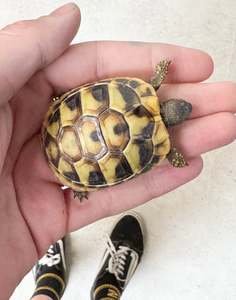
🐢
Care Sheet (New Zealand Conditions)
Testudo hermanni
Hermann’s tortoises are small, hardy Mediterranean tortoises known for their gentle nature and long lifespans. With the right setup, they thrive in New Zealand — but they must have correct heat, UVB, humidity, and diet.
🌡️
Temperature & Heating
Because is cooler than their natural climate, controlled heating is essential.
Basking Zone:
- 32–35°C under a heat lamp.
Warm Side Ambient:
- 26–28°C
Cool Side Ambient:
- 20–22°C
Night Temperature:
- No lower than 15°C
(Use a ceramic heat emitter if needed — no light at night.)
Important:
Avoid heat mats under the tank; tortoises sense heat from above, not below.
🌞
UVB & Lighting
Strong UVB is absolutely required for shell, bone, and organ health.
- Use 10.0 / 12% UVB T5 HO tube
- Replace every 12 months (even if still glowing)
- Mount tube 30–40 cm above shell
- Run 10–12 hours per day
- Provide both UVB and shaded areas so your tortoise can self-regulate.
🏡
Enclosure Size
Hermann’s tortoises are active roamers.
Indoor Minimum:
- 120 cm x 60 cm for one juvenile
- Larger is always better
- Avoid glass tanks (humidity builds and ventilation is poor)
- Best option: open-top tortoise table
Outdoor Enclosure (Highly Recommended):
(For warm months only — must be predator-proof)
- 2m x 2m minimum
- Dry, sunny area
- Shelter box with hay
- Escape-proof fencing (they are strong climbers)
🌱
Diet
They are high-fibre, low-protein, herbivores.
Daily Foods (80% of diet):
- Dandelion leaves & flowers
- Plantain
- Clover
- Chicory
- Endive
- Collard greens
- Kale (moderation)
- Sow thistle
- Broadleaf weeds
- Weeds >lettuces.
Occasional:
- Hibiscus flowers
- Rocket
- Mustard greens
Avoid:
❌ Fruit
❌ Dog/cat food
❌ Spinach often
❌ Broccoli often
❌ Iceberg lettuce
Supplements:
- Calcium powder 3–4 times weekly
- Multivitamin once weekly
Fresh water must be available at all times.
🌧️
Humidity
Hermann’s tortoises prefer a drier environment:
- 40–60% humidity
- Keep hide slightly more humid for juveniles (60–70%)
- Use soil/sand or coco-soil/topsoil mix as substrate
- Depth: 5–10 cm for digging
Avoid pine/cedar shavings — toxic to reptiles.
🐚
Substrate
Best options:
- Organic topsoil
- Coco fibre
- Soil/sand mix (70% soil / 30% play sand)
Spot clean daily, full replace every 1–2 months.
🛁
Bathing
- Soak juveniles 3–4 times per week in lukewarm water (15 minutes)
- Ad
- Store:
- Paws And Claws Manawatu
- Price:
- $749.99