
Portodora Elephant Ear - Alocasia odora X A. portei hybrid - 2.5L / 17cm / Medium
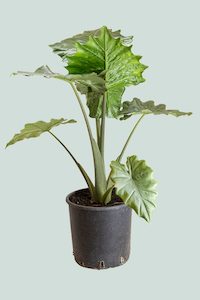
For the uninitiated, this is not an Alocasia like you see roadside. This hybrid variety is enormous when grown in ideal conditions indoors or out. Alocasia Portodora, also known as the Elephant Ear plant, is beloved for its majestic, wavy-edged leaves that add a tropical flair to any space. With proper care, this stunning plant can thrive indoors or outdoors, even through its dormancy in cooler months. They reach up to 4m tall with metre-wide leaves and are a real feature plant in a bright room. 1. Lighting
- Indoors: Bright, indirect light is essential. Place your Alocasia Portodora near an east or west-facing window for the best results. Avoid direct sunlight, which can burn its delicate leaves.
- Outdoors: Grows best in partial shade or filtered sunlight. Ensure it is protected from harsh midday sun. 2. Watering
- Growing Season (Spring to Early Autumn):
- Water thoroughly and consistently, allowing the top inch of soil to dry between waterings. Alocasia Portodora loves moist but not waterlogged soil.
- Use a well-draining potting mix to prevent root rot.
- Dormant Season (Late Autumn to Winter):
- Water less frequently as growth slows down. Let the soil dry out more between waterings to avoid overwatering during dormancy. 3. Humidity and Temperature
- Thrives in high humidity levels (60% ). If indoors, increase humidity with a humidifier, regular misting, or a pebble tray with water.
- Keep temperatures between 65°F–85°F (18°C–29°C). Avoid temperatures below 55°F (13°C), as Alocasia Portodora is sensitive to cold and drafts. 4. Fertilizer
- Feed during the growing season every 4-6 weeks with a balanced, water-soluble fertilizer.
- Stop fertilizing during dormancy to prevent root stress. 5. Dormancy Notes
In cooler months, Alocasia Portodora enters dormancy, especially in areas with lower light or temperatures:
- Recognizing Dormancy:
- Growth slows, and some leaves may yellow or die back. This is a natural process, not a sign of plant death.
- Caring During Dormancy:
- Reduce watering significantly but do not let the soil completely dry out.
- Stop fertilizing and avoid repotting.
- Keep the plant in a warm spot with bright, indirect light, even if it’s not actively growing. 6. Reviving in Spring
As temperatures rise and days grow longer, Alocasia Portodora will come out of dormancy. Here's how to help it thrive:
- Gradually increase watering as new growth appears.
- Begin fertilizing again with a diluted liquid fertilizer to support the plant’s recovery and growth.
- If necessary, repot into fresh, nutrient-rich soil in late spring or early summer. Additional Care Tips
- Regularly clean the leaves with a damp cloth to remove dust and promote healthy photosynthesis.
- Watch for common pests such as spider mites and mealybugs, particularly in low-humidity environments.
- If grown outdoors, bring the plant indoors before temperatures drop below 55°F (13°C).
With proper care and attention to its seasonal dormancy, your Alocasia Portodora will reward you with dramatic, lush foliage, making it a stunning centerpiece in your home or garden
Toxicity: Mildly toxic to pets and people.
- Store:
- PlantHouse
- Price:
- $65